What to Bring to a Dispensary - ID, Cards, and Payment
The Short Answer
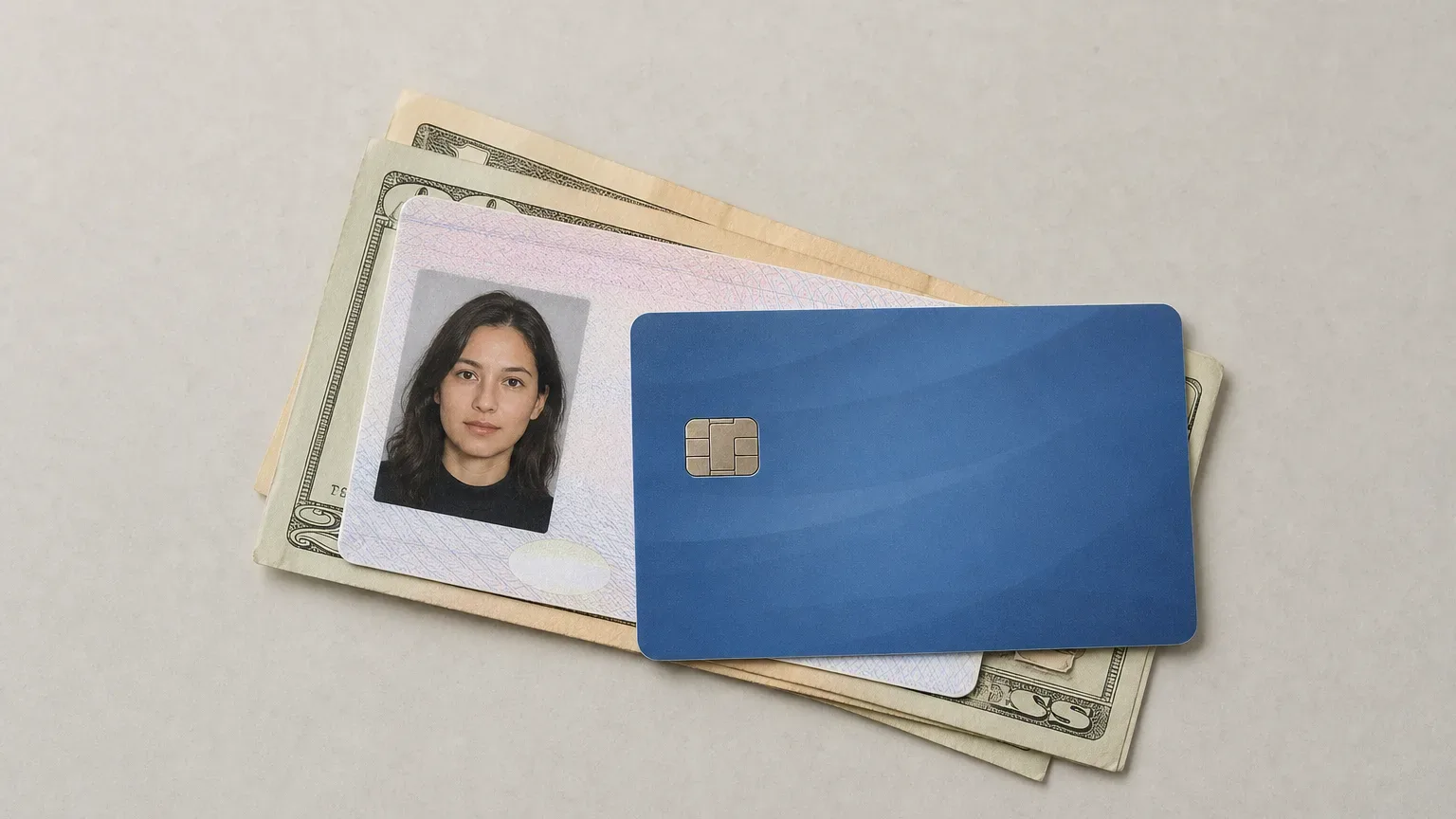
Every dispensary visit requires a valid government-issued photo ID. That single item is non-negotiable, and staff will check it before you step past the entrance. Beyond that, having cash on hand and knowing whether you hold a medical card will shape the rest of your experience.
Why ID Matters So Much
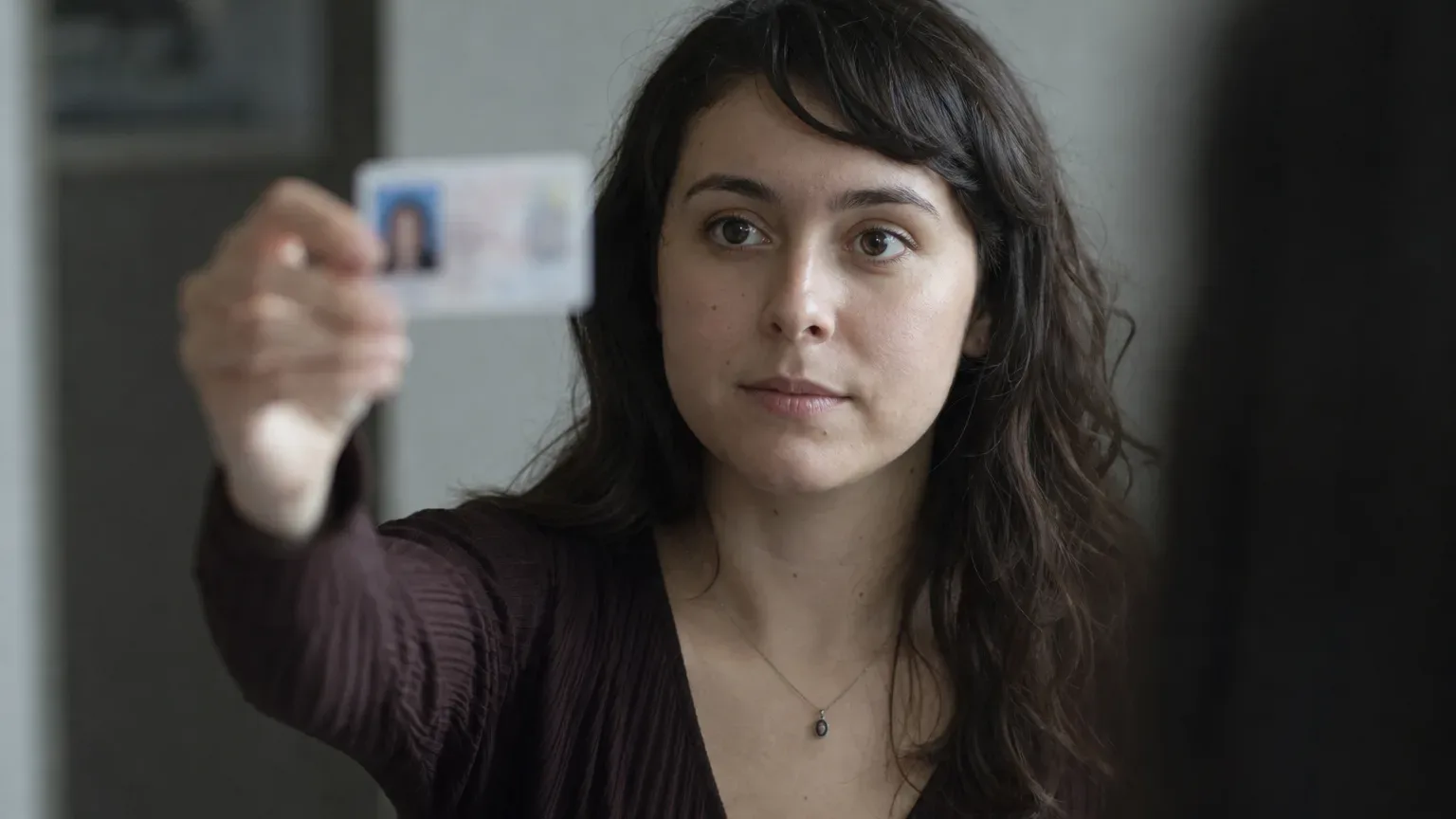
Dispensaries operate under state licenses that carry serious compliance obligations. Serving an underage customer can cost a store its license, so budtenders card everyone, regardless of age or appearance. A valid government-issued photo ID is required for all visitors, covering both recreational and medical dispensaries.
Accepted documents typically include a driver's license, a state-issued ID card, or a passport. Some dispensaries also accept military IDs. Whatever you bring, it must be current and unexpired. A laminated photocopy will not pass.
Recreational vs. Medical Age Requirements
Recreational dispensaries serve adults 21 and older; medical dispensaries serve patients 18 and older with a valid medical marijuana card. If you are under 21 and lack a medical card, you will not be served at a recreational location. Minors can qualify for medical programs in some states, but they require caregiver authorization, and the rules differ significantly by jurisdiction.
If you are right on the edge of 21, bring a backup ID just in case your primary document scans as unreadable.
Your Medical Marijuana Card
A valid medical marijuana card opens up distinct advantages that recreational shoppers do not have. Patients can often purchase more product per visit, and the tax savings are real: medical customers typically save 5%–37% compared to recreational pricing, because many states exempt medical purchases from excise and sales taxes entirely.
Purchase limits also differ. Recreational buyers are generally capped at 1 ounce of flower per transaction. Medical patients, depending on the state, may be approved for 2–4 ounces of flower per 30-day period. That difference adds up quickly for anyone using cannabis consistently for symptom management.
How to Get a Medical Card
Apply through your state's health department program after a physician evaluation. The state-issued card itself typically costs $50–$200 in application fees; the physician evaluation is a separate expense. Processing times range from a few days to several weeks depending on the state.
While waiting for a physical card, many states issue a temporary certification that dispensaries will accept. Check your state program's specifics before assuming your temporary document qualifies.
Payment Methods - What Actually Works
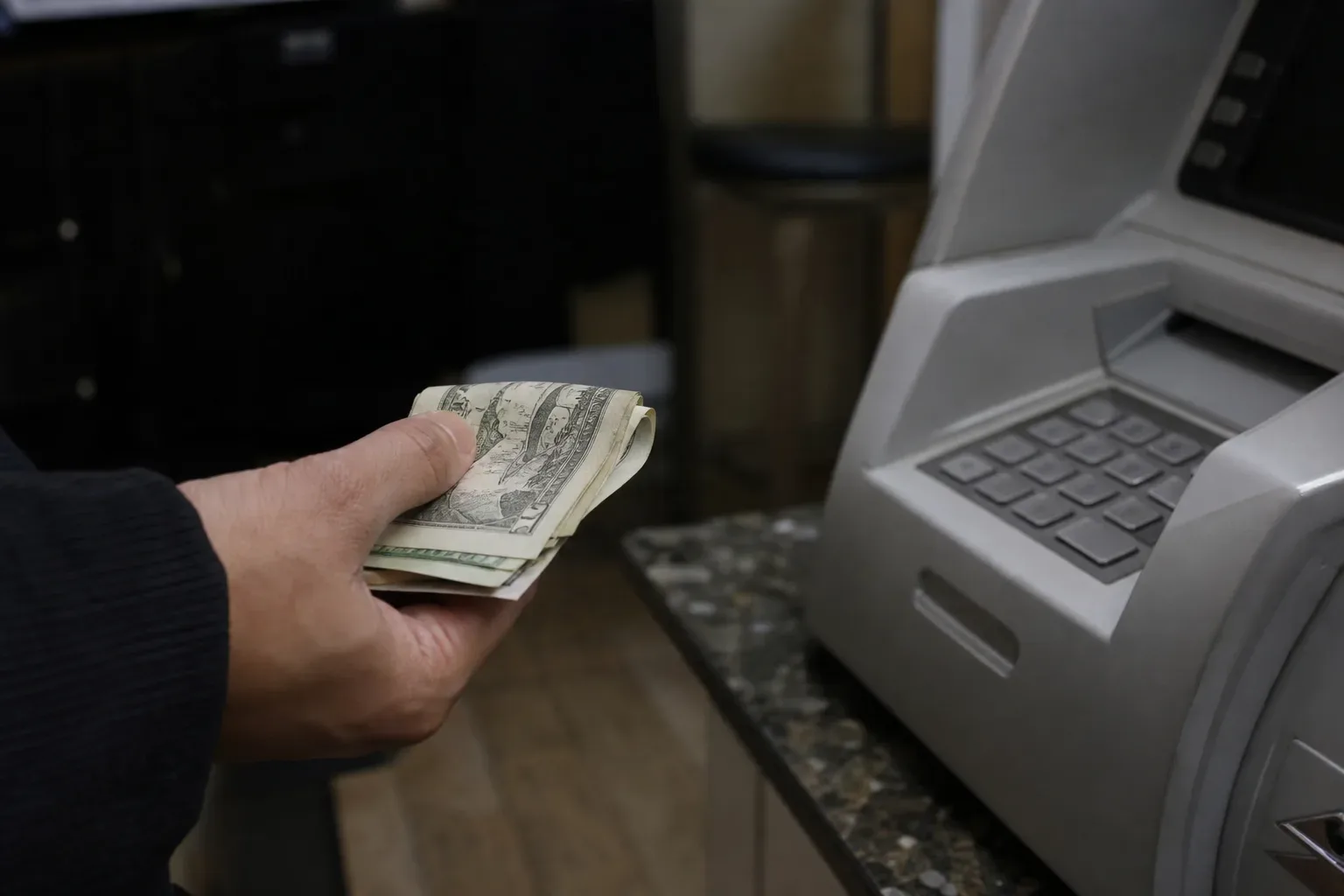
All dispensaries accept cash. That is the one constant across every legal U.S. state. Federal banking restrictions make it difficult for most cannabis retailers to process standard credit card transactions, so carrying cash remains the most reliable approach.
Many dispensaries also offer on-site ATMs or cashless debit options, which pull directly from your bank account at the point of sale. These work much like a PIN-based debit transaction at a grocery store. Fees vary by location, usually in the $3–$5 range per ATM withdrawal.
How Much Cash to Bring
Pricing depends entirely on what you plan to buy. A rough reference:
- Flower: $8–$20 per gram, with top-shelf strains at the higher end
- Edibles: $10–$30 per package for a standard selection; a standard single dose is 5–10 mg THC
- Concentrates: $25–$60 per gram for wax, shatter, or live resin
- Tinctures: $20–$60 per bottle for a typical 30 mL format
- Capsules: $20–$50 per package for a standard 30-count
Bringing a little extra cushions you against ATM fees and any tax you did not anticipate. Sales tax on recreational cannabis can push a $40 purchase noticeably higher.
What First-Time Visitors Often Forget
The ID checklist covers the obvious, but a few overlooked details catch new visitors off guard.
Your phone is not a valid ID. A photo of your driver's license on your screen will not be accepted. The physical document must be present.
If you plan to use a medical card, bring both your card and a qualifying photo ID. The card alone is rarely sufficient; staff need to match the card to a verified identity.
Arriving prepared also means knowing roughly what you want. Budtenders, the dispensary staff who help customers select products, are trained to match recommendations to your goals and experience level. They are not licensed medical professionals, so for any clinical guidance you should consult a physician. That said, a quick honest conversation about your experience level and what you hope to achieve goes a long way toward a useful recommendation.
A Simple Pre-Visit Checklist
Run through this before you leave home:
- Government-issued photo ID, current and unexpired
- Medical marijuana card, if you have one, plus your photo ID
- Cash, with a small buffer for tax and ATM fees
- A rough product idea, even just a category like flower, edible, or tincture
That is genuinely all you need. Most dispensaries are designed to make the process easy for first-time visitors, and the staff are there to fill in any gaps once you are inside.
Frequently Asked Questions
What ID Do I Need to Bring to a Dispensary?
You need a valid, unexpired government-issued photo ID such as a driver's license, state ID card, or passport. A physical document is required; a phone photo of your ID will not be accepted.
Can I Use a Credit Card at a Dispensary?
Credit cards are rarely accepted at dispensaries due to federal banking restrictions. All dispensaries accept cash, and many also have on-site ATMs or cashless debit payment options available.
Do I Need to Bring My Medical Marijuana Card?
If you have a medical card, bring it along with a valid photo ID. Having both gives you access to medical-only pricing, higher purchase limits, and potential tax exemptions that recreational shoppers do not receive.
How Much Should I Expect to Spend at a Dispensary?
Costs vary by product. Flower typically runs $8–$20 per gram, edibles $10–$30 per package, and concentrates $25–$60 per gram. Bringing extra cash to cover taxes and any ATM fee is a good idea.
What Is the Minimum Age to Visit a Dispensary?
You must be at least 21 years old to enter a recreational dispensary. Medical dispensaries serve patients 18 and older who hold a valid medical marijuana card, though some states allow younger patients with caregiver authorization.