Cash, Debit, or Cashless ATM - How Dispensary Payments Work
Walking into a dispensary for the first time, most people assume they can swipe a credit card like anywhere else. They usually can't. Cannabis remains federally illegal, which means major card networks and most banks refuse to process transactions at dispensaries. Understanding dispensary payment methods before you visit saves you from an awkward scramble at the register.

Why Credit Cards Are Rarely Accepted
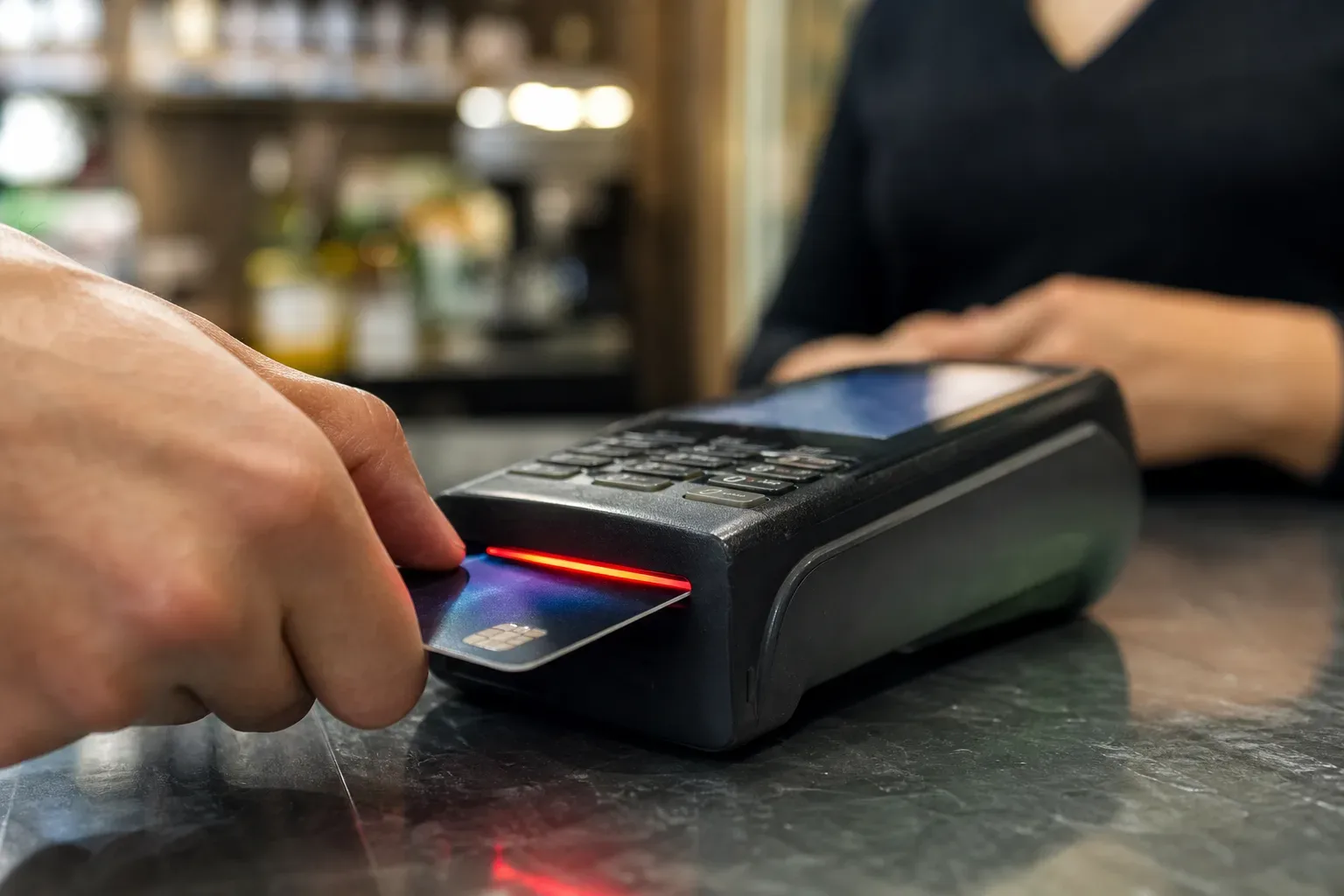
Visa, Mastercard, and American Express operate under federal oversight. Because cannabis is still a Schedule I substance federally, those networks prohibit their cards from being used at cannabis retailers. Individual banks that issue those cards follow the same restrictions. A handful of small credit unions have experimented with solutions, but true credit card acceptance remains rare across the industry.
This isn't a dispensary policy choice. It's a structural banking problem that legislators and regulators have not yet fully resolved. Until federal law changes or a banking safe harbor is established, most dispensaries work around the gap with a mix of cash, debit, and alternative payment options.
Cash - the Universal Option
All dispensaries accept cash, and many keep an on-site ATM for customers who arrive unprepared. Cash works at every counter, requires no additional processing fee from a payment network, and keeps your transaction simple. Budtenders, the dispensary sales associates who help you find the right product, are accustomed to cash transactions and can break larger bills.
If you plan to pay with cash, withdraw before you arrive when possible. On-site ATMs typically charge a convenience fee of $3–$5 per withdrawal. Carrying exact change or close to it also speeds up checkout during busy hours.
How Much Should You Bring?
Product prices vary by category. Cannabis flower runs roughly $8–$20 per gram at retail, while edibles packages typically cost $10–$30. Concentrates like wax or live resin range from $25–$60 per gram. Tinctures and capsule packages generally fall between $20–$60. Add your state's applicable taxes on top of those prices, and rounding up to the nearest $20 is a safe habit.
Medical cardholders often pay less because many states exempt registered patients from excise or sales taxes. That tax break translates to 5%–37% savings compared to recreational pricing, depending on the state. If you qualify for a medical card, the application fee runs $50–$200, and the ongoing tax savings can offset that cost quickly.
Debit Cards
Many dispensaries accept debit cards, though how those transactions are processed differs from a standard retail purchase. Standard PIN-based debit runs through bank networks that carry the same federal banking restrictions as credit cards, so dispensaries use a workaround known as cashless debit or a similar point-of-sale system.
What Is Cashless Debit?
Cashless debit is a payment system where your debit card is run through a terminal that routes the charge as a cash-equivalent withdrawal rather than a networked card purchase. The amount is rounded up to the nearest dollar or small increment, and the difference is returned to you as change. The transaction shows up on your bank statement as a cash advance or withdrawal, not a point-of-sale charge.
Not every bank treats this identically. Some accounts flag these transactions or apply a small fee. Checking with your bank ahead of time takes less than two minutes and avoids any surprise holds on your account. Most customers find the process straightforward once they know what to expect.
Are There Fees?
Cashless debit terminals typically add a flat service charge, often $1–$3 per transaction. That fee goes to the payment processor, not the dispensary. It's less than a typical ATM fee, and it keeps your spending in one line item rather than a separate ATM withdrawal.
Mobile and App-Based Payment Options
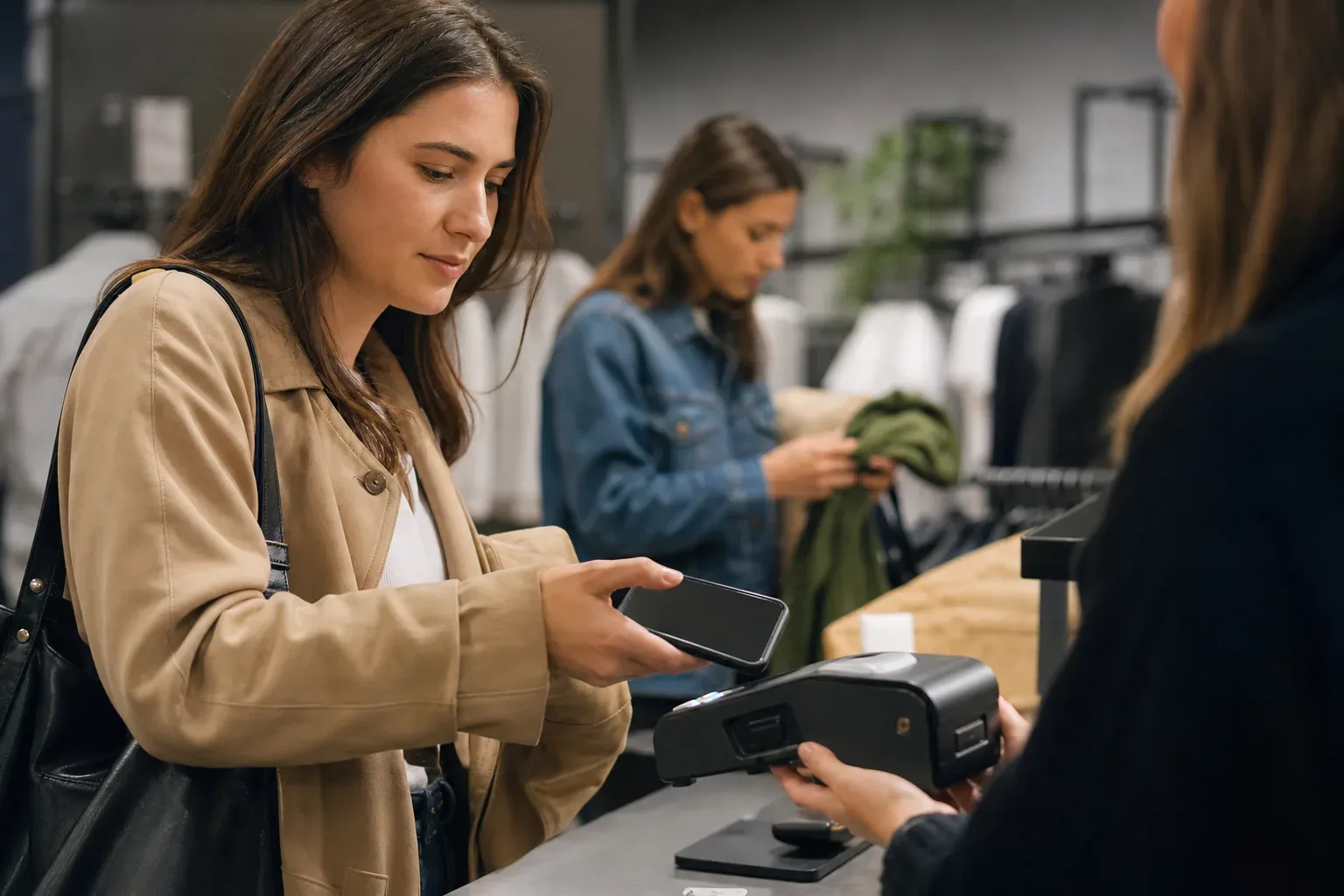
Some dispensaries accept payments through cannabis-specific apps or digital wallets built to operate outside traditional banking networks. These platforms work by linking directly to your bank account via ACH transfer or by loading a balance in advance. Examples of these platforms change frequently as the regulatory environment shifts, so ask your dispensary what apps they currently support.
App-based payments tend to appeal to customers who prefer not to carry cash and want a cleaner digital record of their spending. Setup usually takes five minutes and requires verifying your identity within the app. Once verified, checkout is fast.
What to Bring Every Time
A valid government-issued photo ID is required for all dispensary visitors, regardless of payment method. That means a driver's license, passport, or state-issued ID. Dispensaries check ID at the door, not just at the register. Recreational dispensaries serve adults 21 and older.
Medical dispensaries serve patients 18 and older who hold a valid medical marijuana card, though some states allow younger patients with caregiver authorization.
Bringing both cash and a debit card gives you a backup if a terminal is down. Terminals do go offline during busy periods, and having cash on hand means you never have to leave empty-handed.
Choosing the Right Payment Method for Your Visit
Cash remains the most reliable option at any dispensary, in any state. Debit via cashless terminal is the next most widely available and costs slightly less than an ATM withdrawal fee in most cases. App-based options are growing, but availability depends on your location and the specific store.
Budtenders can confirm which payment methods are active on a given day. Don't hesitate to ask at the front desk before you start shopping. Payment infrastructure at dispensaries changes faster than almost any other retail sector, so what was true six months ago may have already shifted at your local store.
Frequently Asked Questions
Why Don't Dispensaries Accept Credit Cards?
Major credit card networks prohibit their cards from being used at cannabis retailers because cannabis remains federally illegal. Until federal banking laws change, true credit card acceptance stays rare at dispensaries across the country.
Can I Use My Debit Card at a Dispensary?
Many dispensaries accept debit cards through a cashless debit system. Your card is processed as a cash-equivalent withdrawal rather than a standard point-of-sale purchase. A small service fee, typically $1–$3, usually applies.
Do Dispensaries Have ATMs on Site?
Many dispensaries keep an on-site ATM for customers who need cash. ATMs at dispensaries typically charge a convenience fee of $3–$5 per withdrawal, so withdrawing cash from your own bank beforehand can save you a small amount.
What ID Do I Need to Enter a Dispensary?
A valid government-issued photo ID is required for all dispensary visitors. Accepted forms include a driver's license, passport, or state-issued ID. Recreational dispensaries require you to be 21 or older; medical dispensaries generally require patients to be 18 or older with a valid medical marijuana card.
Do Medical Cardholders Pay Less at the Register?
In many states, medical patients are exempt from some or all cannabis excise and sales taxes, which can mean 5%–37% savings compared to recreational pricing. The medical marijuana card application fee is $50–$200, and regular shoppers often recoup that cost through ongoing tax savings.