CBD vs. THC Products at the Dispensary - Which Should You Choose?
Your plain-language guide to finding dispensaries, understanding cannabis products, and making confident decisions as a first-time or returning visitor.Walking into a dispensary for the first time, the sheer number of products split between CBD and THC can feel overwhelming. Both cannabinoids come from the cannabis plant, yet they behave very differently in your body. Knowing which one fits your goals saves you money and gets you to the right experience faster.
The Core Difference Between CBD and THC
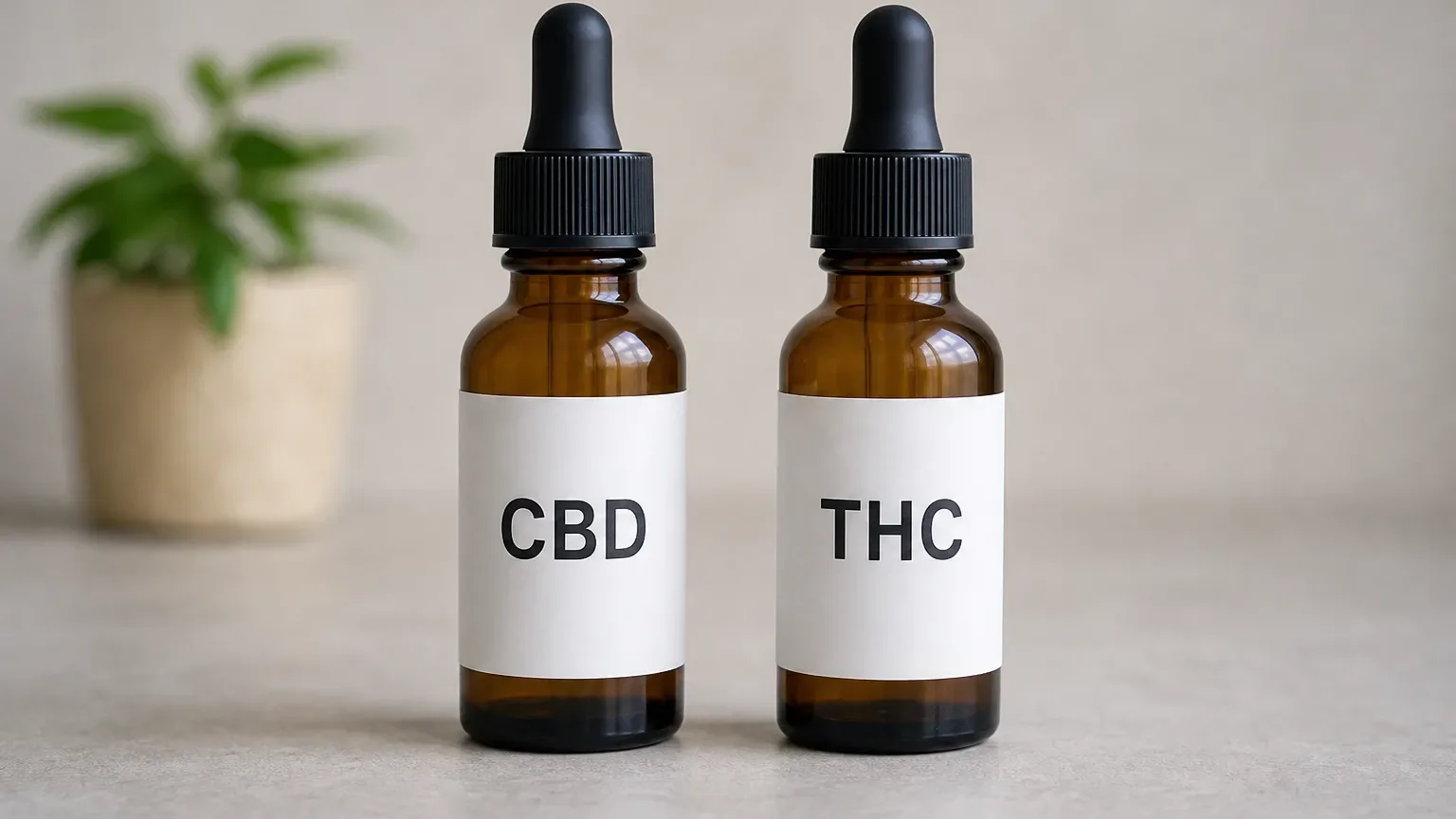
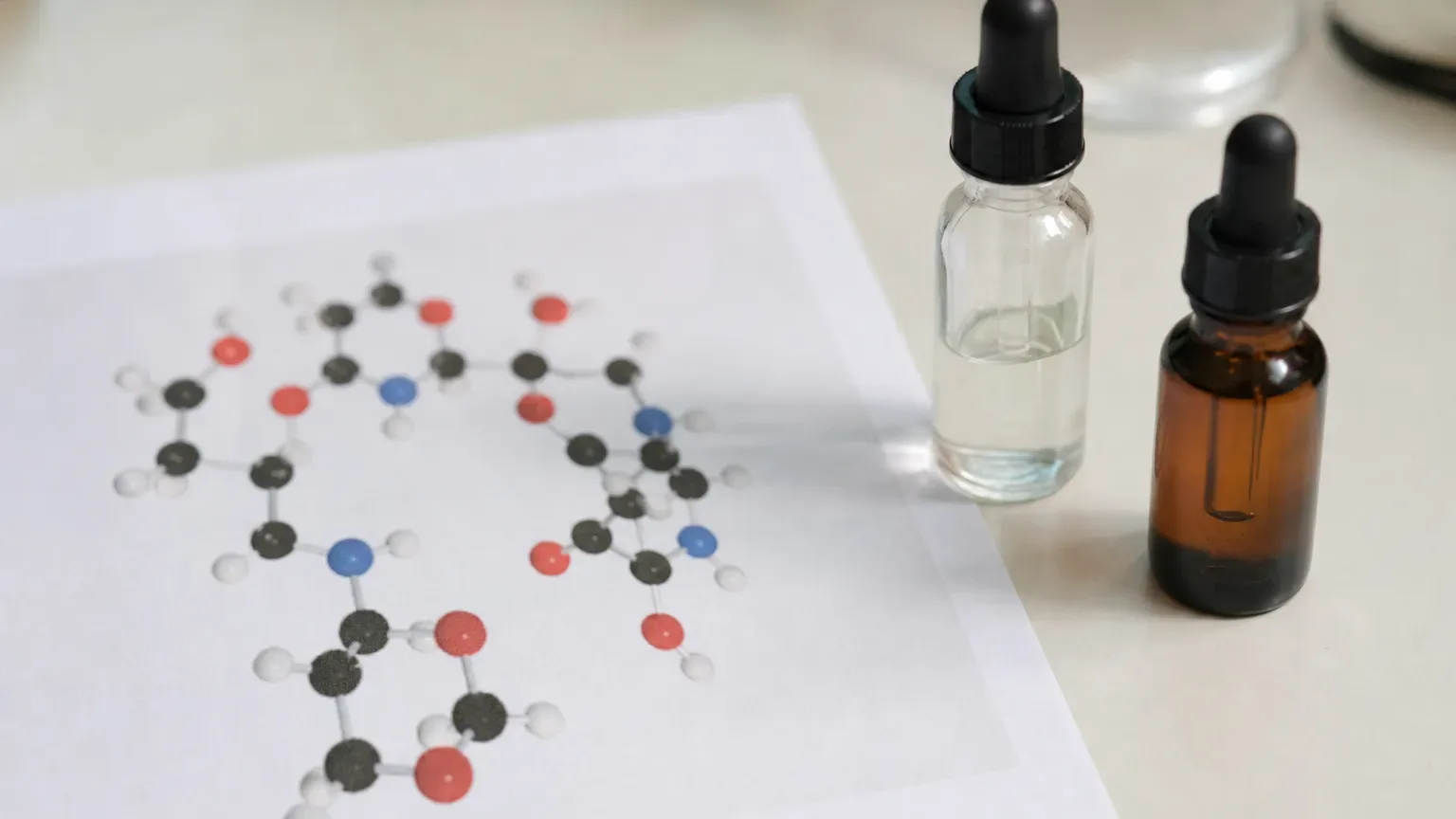
THC is the primary psychoactive compound in cannabis. It binds directly to receptors in the brain, producing the "high" most people associate with cannabis. CBD is non-intoxicating; it interacts with the same system but does not produce that altered mental state.
This distinction matters most for first-time shoppers. If you need to stay clear-headed for work or caregiving, CBD is the practical starting point. If you're looking for euphoria, relaxation with a noticeable effect, or appetite stimulation, THC is the relevant compound.
What Goals Point You Toward CBD?
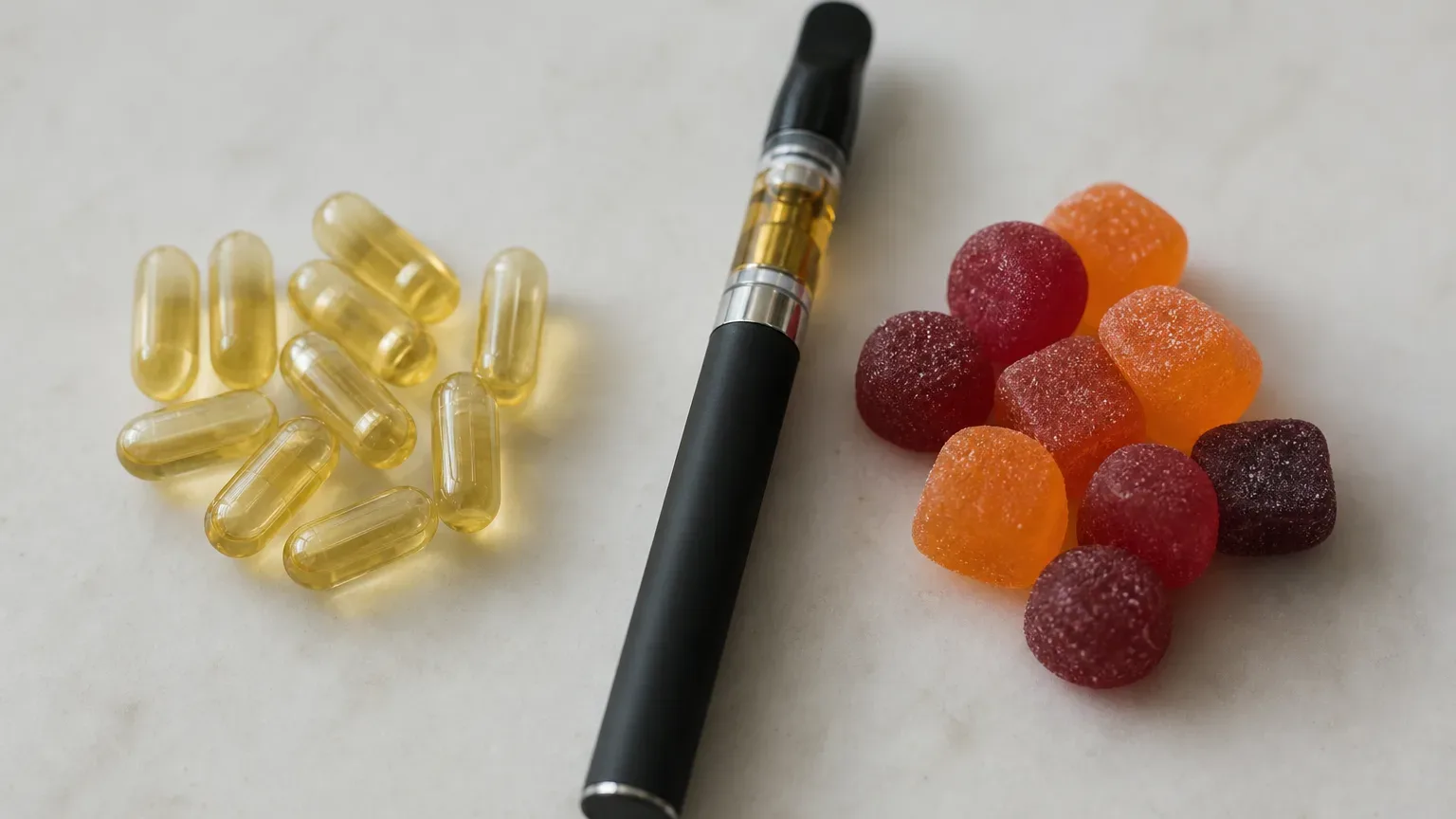
Always read the label before purchasing, and verify milligrams per serving rather than per package.
Tinctures
Tinctures work for both cannabinoids. A CBD tincture at $20–$60 per bottle gives non-intoxicating support. A THC tincture in the same price range delivers psychoactive effects at a pace that falls between inhalation and edibles. Sublingual absorption, placing drops under the tongue and holding for 60 seconds, tends to produce faster results than swallowing.
Concentrates and Capsules
Concentrates are almost exclusively THC-dominant and designed for experienced users. Capsules exist in both CBD and THC formulas. THC capsules at $20–$50 per package provide a measured dose without the sugar of edibles, making them popular with medical patients.
Does Your Legal Status Affect Which Products You Should Buy?
Whether you shop recreationally or hold a medical card changes your purchase limits, pricing, and available product range. Recreational shoppers can buy up to 1 ounce (28 grams) of flower per transaction and must be at least 21. Medical patients typically access up to 2–4 ounces of flower per 30-day period, depending on state regulations, and can enter a medical dispensary at 18 with a valid medical marijuana card.
Pricing is another real difference. Medical card holders in many states pay significantly less because they are exempt from recreational excise taxes. That tax savings typically ranges from 5%–37% depending on the state. If you use cannabis regularly for a health reason, the cost of a medical card application ($50–$200 in most states, not including the physician evaluation) often pays for itself within a few months.
Practical Tips for Choosing at the Counter
Budtenders are trained dispensary staff who can recommend products based on your goals and experience level. They are not licensed medical professionals, so bring specific health questions to a physician. That said, a good budtender will ask what you're hoping to feel (or not feel), how experienced you are, and whether you have any timing constraints like driving later.
A valid government-issued photo ID is required for every dispensary visit, whether you're browsing CBD or THC products. Accepted forms include a driver's license, passport, or state ID.
Payment is mostly cash-based. All dispensaries accept cash, and many offer on-site ATMs. Cashless debit options are available at some locations, but credit card payments remain rare due to federal banking restrictions.
Blended Products - When CBD and THC Work Together
Some products combine both cannabinoids intentionally. A 1:1 tincture or a 2:1 CBD-to-THC edible can soften the psychoactive edge of THC while preserving some of the therapeutic effect. This middle path appeals to people who found pure THC too intense or pure CBD too subtle.
Asking your budtender for a ratio product is a reasonable first step if you've had anxiety or discomfort with high-THC products in the past. The lower the THC ratio relative to CBD, the gentler the psychoactive experience tends to be. Start with a small dose regardless of the ratio and give it adequate time before deciding to take more.
Frequently Asked Questions
What Is the Main Difference Between CBD and THC Products at a Dispensary?
THC is the psychoactive compound in cannabis and produces a high, while CBD is non-intoxicating. Both cannabinoids come from the same plant, but they affect the brain very differently. CBD suits people who want relief without altered mental states; THC suits those seeking euphoria or stronger symptom management.
Can I Buy CBD Products at a Recreational Dispensary Without a Medical Card?
Yes. Recreational dispensaries sell CBD-dominant products to any adult aged 21 or older with a valid government-issued photo ID. You do not need a medical marijuana card to purchase CBD flower, tinctures, edibles, or capsules at an adult-use dispensary.
How Much Do CBD and THC Products Cost at a Dispensary?
Prices vary by product type. Cannabis flower runs $8–$20 per gram, edibles cost $10–$30 per package, tinctures are typically $20–$60 per 30 mL bottle, capsules run $20–$50 per 30-count package, and concentrates cost $25–$60 per gram. CBD and THC versions of the same format are generally priced in the same range.
What THC Dose Should a Beginner Start with in Edibles?
A beginner dose is 5–10 mg of THC. Starting at 5 mg and waiting the full onset window of 30 minutes to 2 hours before taking more is the standard recommendation. Edibles take longer to produce effects than inhalation, so going slowly prevents overconsumption.
Does a Medical Marijuana Card Give Access to Different CBD and THC Products?
Medical card holders often access higher purchase limits, up to 2–4 ounces of flower per 30-day period compared to 1 ounce per transaction for recreational buyers. They may also pay less due to tax exemptions that typically save 5%–37% over recreational pricing. Some states also stock medical-specific formulas not available to recreational shoppers.