How Much Cannabis Can You Legally Buy at a Dispensary - Dispensary Purchase Limits Explained
Walking into a dispensary for the first time, most people assume they can buy as much as they want. They can't. Every legal state caps how much cannabis a single customer can purchase in one visit, and those limits differ depending on whether you hold a medical card or you're shopping as a recreational adult.

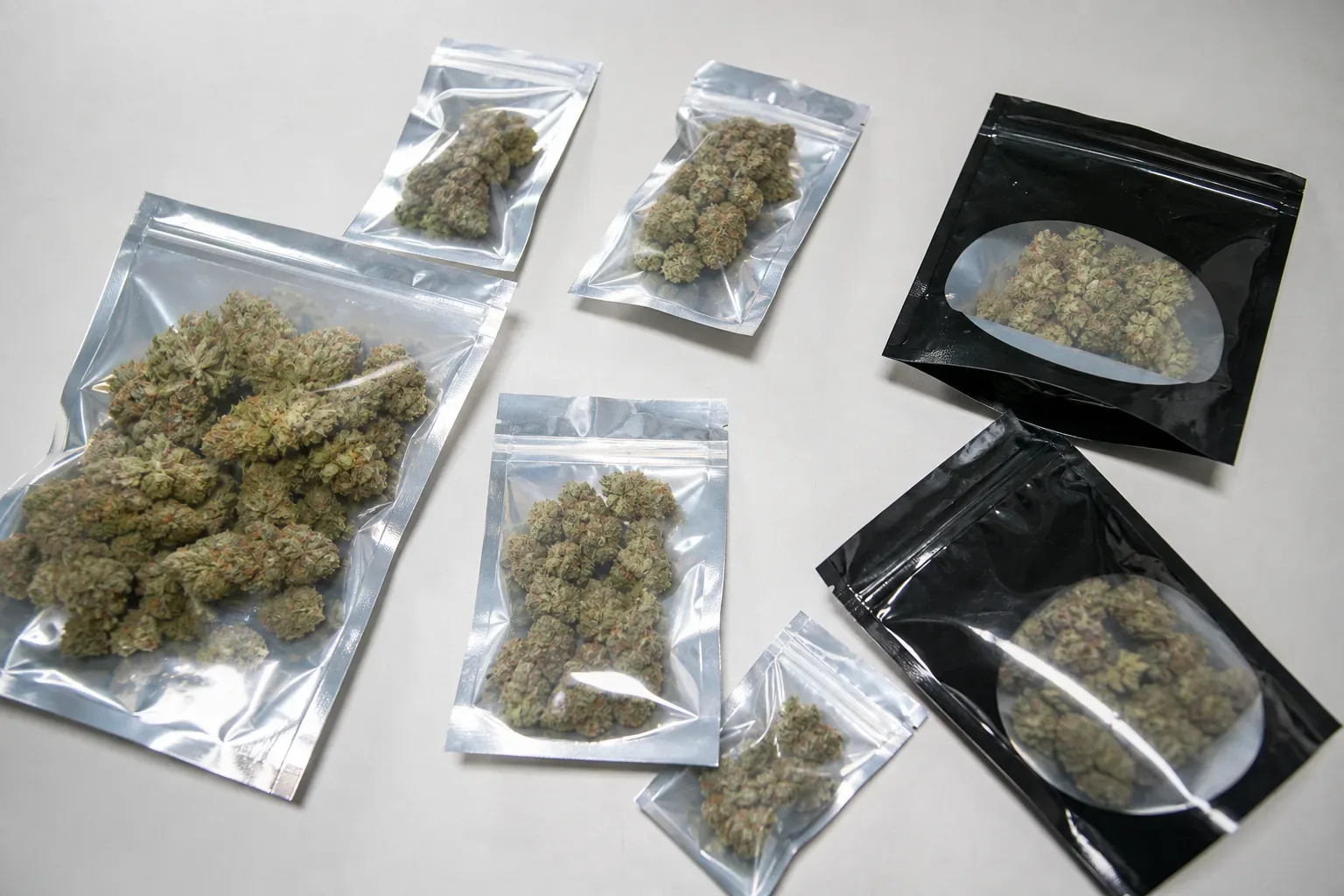
How Much Can You Buy at a Dispensary
Recreational buyers in most U.S. states can purchase up to 1 ounce, which equals 28 grams, of cannabis flower per transaction. That ceiling applies whether you're in California, Colorado, or Michigan. Budtenders cannot legally ring up more than the state limit in a single sale, even if you'd like to buy more.
Medical patients generally get more room. Most states allow registered patients to purchase 2–4 ounces of flower per 30-day period, though the exact figure varies by state and sometimes by diagnosis. Holding a valid medical marijuana card is the key that opens those higher limits.
What Counts Toward the Limit
Dispensaries don't track flower alone. Concentrates, edibles, and tinctures all factor into your purchase total, typically converted into a "cannabis equivalent" that states define differently. California, for example, converts concentrates at a ratio that means 8 grams of concentrate equals 1 ounce of flower for purchase-limit purposes.
Edibles are measured by total THC content in most states. A standard package of gummies runs $10–$30 and typically contains multiple servings, with a single dose standardized at 5–10 mg THC. Buying several packages in one visit can push you toward your state's milligram ceiling faster than buying flower.
Dispensary Purchase Limits by State
State rules share a common framework but differ in the details. The table below covers a handful of major markets.
| State | Recreational Flower (per transaction) | Medical Flower (per 30 days) |
|---|---|---|
| California | 1 oz | Up to 8 oz |
| Colorado | 1 oz | Up to 2 oz per day |
| Illinois | 1 oz (resident) | Up to 2.5 oz |
| Michigan | 2.5 oz | Up to 2.5 oz |
| Oregon | 1 oz | Up to 24 oz |
These figures reflect general state law, not every local municipality. Some cities layer additional restrictions on top of state rules, so checking your dispensary's specific policies is always a smart step before you shop.
Why Limits Vary So Much
Legislatures set purchase limits based on a mix of public health concerns, diversion risk, and political compromise. States with more conservative histories tend to land closer to the 1-ounce recreational floor. Oregon, which legalized early and has a mature market, allows significantly more for medical patients.
Limits also change over time. Several states have quietly raised their recreational allowances since initial legalization. Checking your state's cannabis regulatory agency website gives you the current, legally binding figure rather than an outdated news article.
Daily Purchase Limits Cannabis Rules
Most states phrase their limits as a per-transaction cap rather than a true daily limit, but buying at multiple dispensaries in one day does not reset your allowance. Point-of-sale systems in many states connect to a shared database that tracks purchases in real time. A budtender in Denver can see if you've already hit your ounce elsewhere that day.
California currently does not use a unified statewide tracking system for recreational buyers, which creates a de facto honor system. That could change as regulators push for tighter controls. Regardless of what's technically enforceable, purchasing over your state's limit in a single day is a legal violation.
Concentrates and Edibles Have Their Own Sub-Limits
Concentrates, covering wax, shatter, and live resin, typically cost $25–$60 per gram. States often cap concentrate purchases at 8 grams per transaction for recreational buyers. That's a separate ceiling sitting inside the broader 1-ounce flower equivalent limit.
Edibles sub-limits are almost always expressed in total milligrams of THC. Colorado caps recreational edible purchases at 800 mg THC per transaction. At a standard serving of 5–10 mg, that's a substantial amount, but experienced consumers in legal markets find the restriction meaningful during high-volume shopping.
Does a Medical Card Change Your Purchase Limit
Yes, a medical marijuana card raises your purchase limits in virtually every state that has a medical program. The most direct benefit is the ability to buy 2–4 ounces of flower over a 30-day period rather than the recreational 1-ounce per-visit cap. For patients who use cannabis therapeutically on a daily basis, that difference is significant.
Beyond quantity, medical patients in many states pay less per purchase. States that exempt medical cannabis from excise and sales taxes can produce savings of 5%–37% compared to recreational pricing. Over a year of regular purchases, that gap adds up to hundreds of dollars.
Obtaining a card involves a physician evaluation, which is a separate cost from the state application fee of $50–$200. Patients who use cannabis frequently enough often recover that cost within a few months through tax savings alone.
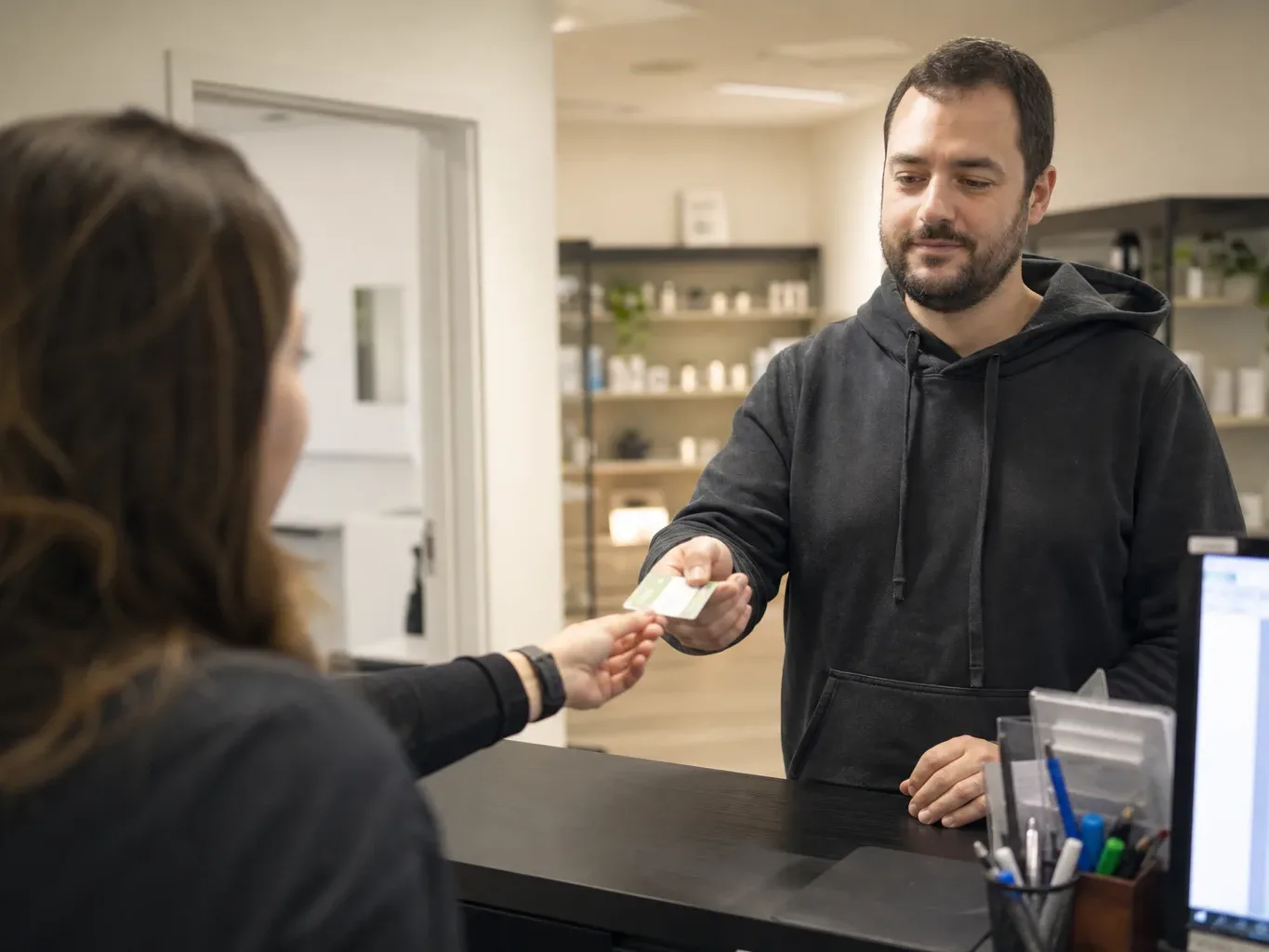
What Happens If You Try to Buy Too Much
Dispensaries are required by law to refuse transactions that exceed state limits. The budtender will simply decline to complete the sale. There's no penalty for a customer who attempts an over-limit purchase once, but repeated attempts or coordination across multiple dispensaries to circumvent limits can cross into legal diversion territory.
All dispensary visitors must present a valid government-issued photo ID. A driver's license, passport, or state-issued ID card all qualify. Recreational dispensaries serve adults 21 and older. Medical dispensaries require a valid medical marijuana card and typically set a minimum age of 18, though some states allow minors to access medical cannabis through a caregiver.
Paying at the Dispensary
Payment at dispensaries is largely cash-based because most banks still avoid cannabis businesses due to federal banking restrictions. All dispensaries accept cash, and most also offer an on-site ATM or a cashless debit option that processes like a PIN debit transaction. Credit cards remain rare.
Knowing your purchase limit before you arrive helps you plan your budget more accurately. At $8–$20 per gram for flower, a full ounce can run $224–$560 depending on the quality tier you choose. Tinctures range from $20–$60 per 30 mL bottle, and capsules typically cost $20–$50 per 30-count package. Mapping out what you need against both the legal ceiling and your budget makes the visit smoother for everyone involved.
Frequently Asked Questions
Cannabis Dispensary Purchase Limits by State - How Do They Differ?
Most recreational states cap flower purchases at 1 ounce (28 grams) per transaction, but details vary. Oregon allows medical patients up to 24 ounces per month, while Colorado caps recreational buyers at 1 ounce and medical patients at 2 ounces per day. Illinois sets a 1-ounce recreational limit for in-state residents. Always verify your state's cannabis regulatory agency for the current, binding figure.
How Much Can You Buy at a Dispensary?
Recreational buyers can typically purchase up to 1 ounce (28 grams) of cannabis flower per transaction. Medical patients holding a valid medical marijuana card can usually buy 2–4 ounces over a 30-day period, depending on the state. Concentrates and edibles count toward your total and may have their own sub-limits expressed in grams or milligrams of THC.
Daily Purchase Limits Cannabis - Does Visiting Two Dispensaries Reset Your Limit?
No. Most states with active point-of-sale tracking systems share purchase data across dispensaries, so buying your limit at one location and attempting a second purchase at another in the same day will be flagged. Even in states without unified tracking, purchasing above your daily or per-transaction limit remains a legal violation regardless of how many stores you visit.
Does a Medical Marijuana Card Let You Buy More Cannabis?
Yes. Medical patients can generally purchase 2–4 ounces of flower per 30-day period compared to the 1-ounce recreational per-transaction cap. Medical patients also benefit from tax savings of 5%–37% in states that exempt medical cannabis from excise and sales taxes. A state medical card costs $50–$200 in application fees, separate from the physician evaluation required to qualify.
What ID Do You Need to Buy Cannabis at a Dispensary?
All dispensary visitors must present a valid government-issued photo ID. Acceptable forms include a driver's license, passport, or state-issued ID card. Recreational dispensaries require customers to be at least 21 years old. Medical dispensaries typically serve patients 18 and older who hold a valid medical marijuana card, though some states permit minors to access medical cannabis through a caregiver.