Cannabis Concentrates - Wax, Shatter, and Live Resin Explained
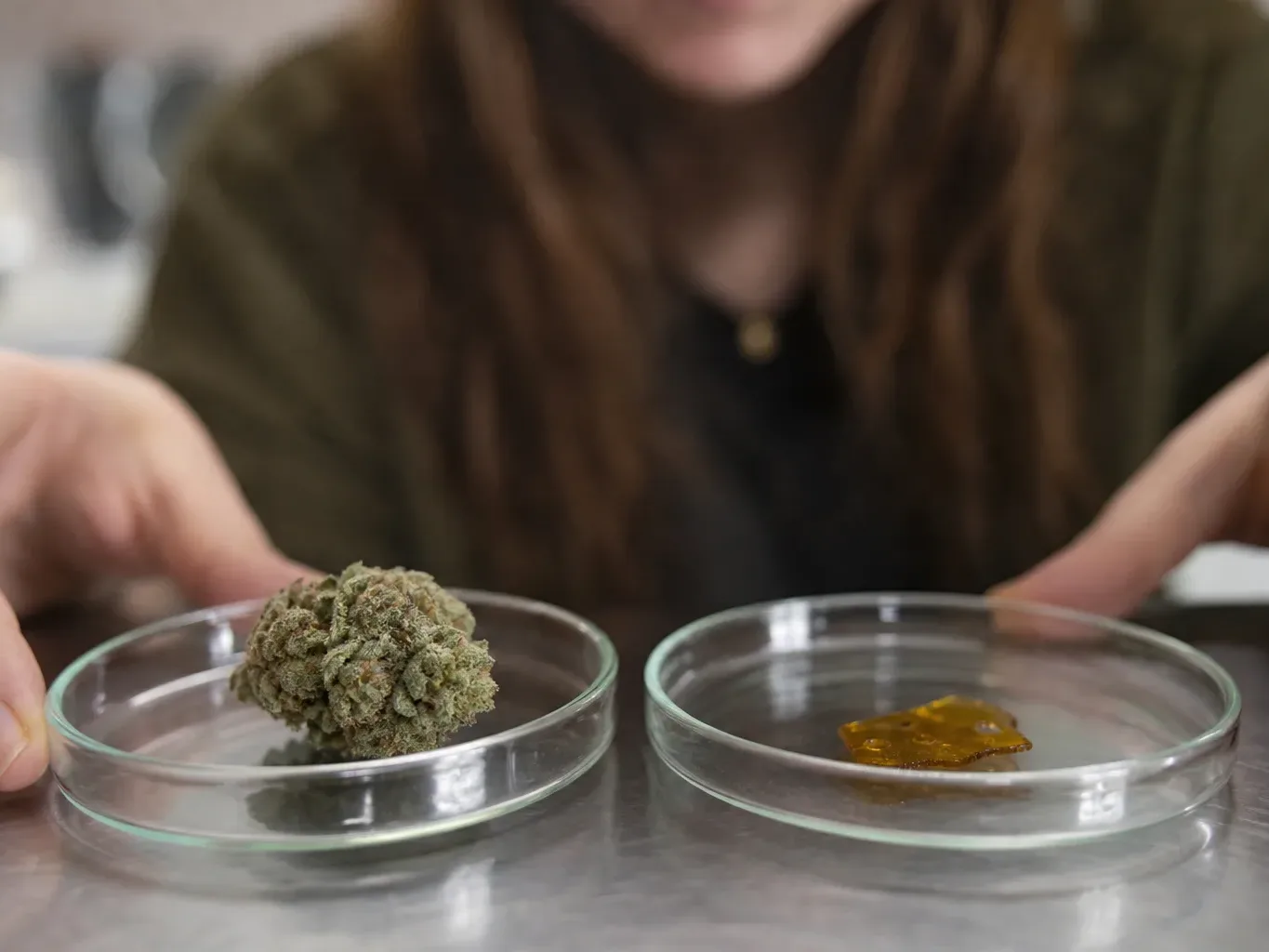
Get in touch with cannabisdispensary.online using the form below.Cannabis concentrates are extracted products that pack far more cannabinoids per gram than raw flower. Where typical flower tests at 15%–25% THC, concentrates routinely reach 60%–90%. That potency gap means smaller amounts produce stronger effects, which is why concentrates have earned a dedicated following among experienced consumers. Most licensed dispensaries now carry at least three to five concentrate formats, and knowing the differences helps you choose the right one.
Name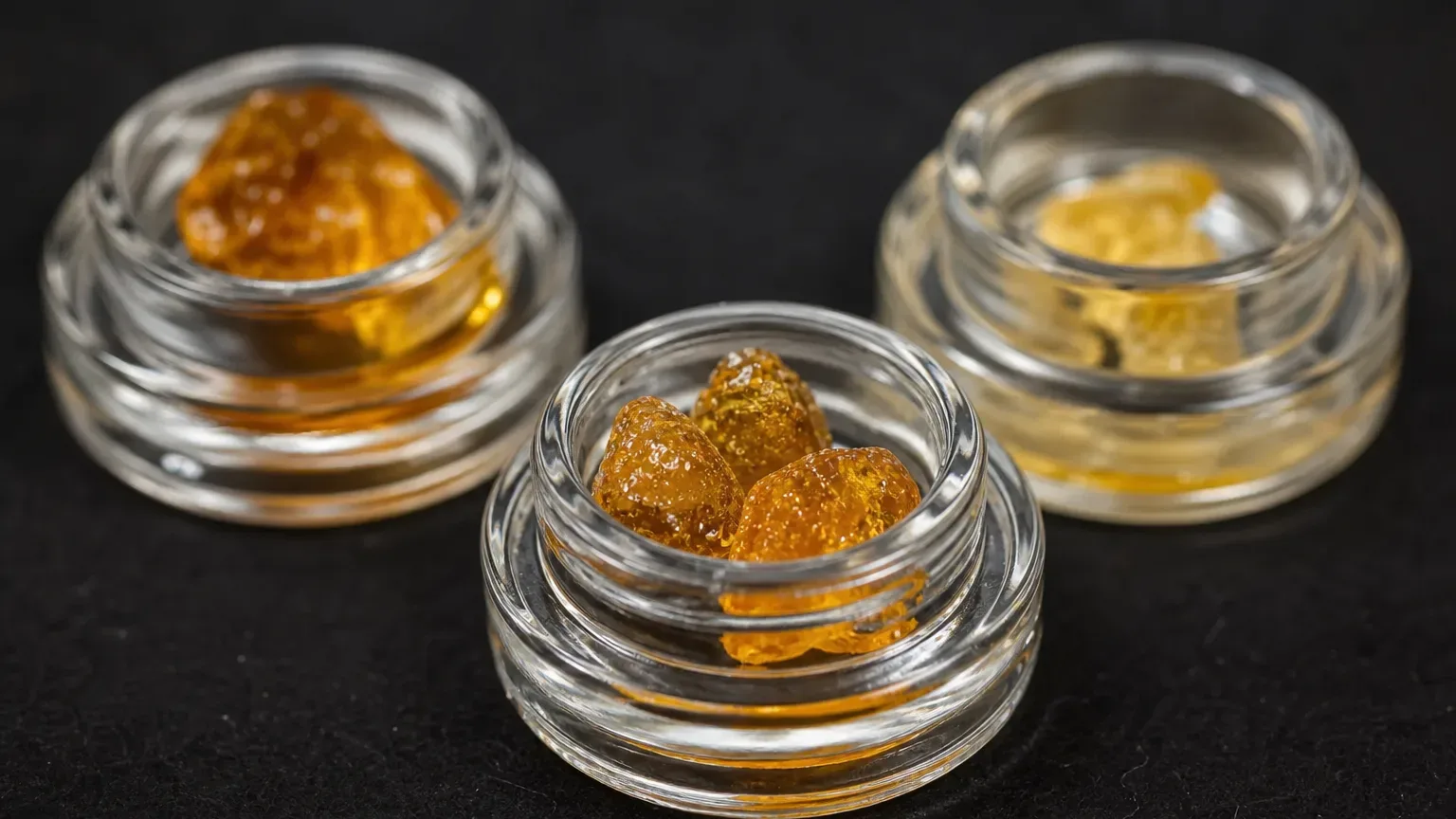
What Makes a Concentrate Different from Flower
Concentrates are produced by separating cannabinoids and terpenes from raw plant material. The method used determines the final texture, flavor profile, and potency of the product. Solvent-based processes use butane, propane, or CO2 to strip compounds from the plant, while solventless methods rely on heat, pressure, or ice water. Each approach yields a distinct product with its own appearance and consumption experience.
Pricing reflects that concentration. Expect to pay $25–$60 per gram at most retail dispensaries, with live resin and other high-end extracts sitting toward the top of that range. Simpler wax or shatter products typically fall in the middle or lower portion.cannabisdispensary.online
The Three Main Cannabis Concentrates Types Dispensary Shelves Carry
Wax
Wax is a butane hash oil (BHO) extract with a soft, opaque consistency that looks similar to candle wax or wet sand, depending on moisture content. Producers whip or agitate the extract during the purging stage, which breaks up the crystalline structure and creates that crumbly texture. The result is easy to handle with a dab tool and doesn't require precision. THC content typically lands between 60%–80%.
Two common wax subtypes appear on dispensary menus: budder and crumble. Budder is smoother and more pliable, closer to softened butter. Crumble is drier and breaks apart easily, which some consumers prefer for loading a vaporizer. Both deliver comparable potency; the difference is mostly tactile.
Shatter
Shatter is also a BHO product, but the extract is purged without agitation, allowing the molecules to settle into a glass-like, translucent sheet. A clean pull of shatter snaps with an audible crack when cold, which is how it got its name. When warmed slightly, it becomes more pliable and easier to work with. THC levels follow a similar range to wax, generally 70%–85%.
Shatter tends to store well because its rigid structure slows degradation. Keep it in a silicone container away from heat and light, and it holds its quality for weeks. The drawback is that it can be fiddly to portion, since breaking off a precise amount requires some practice.
Live Resin
Live resin is where concentrate production gets significantly more sophisticated. The starting material is cannabis that was flash-frozen immediately after harvest, rather than dried and cured. Freezing preserves terpenes that would otherwise evaporate during the curing process, resulting in an extract with a richer, more complex aroma and flavor than wax or shatter.
The texture varies by brand and batch: live resin can appear as a thick, saucy liquid, a sugar-like crystalline material, or a soft butter. Regardless of texture, the terpene retention is the defining quality. Expect prices toward the upper end of the $25–$60 per gram range, reflecting the additional care taken with the fresh-frozen starting material.
Solventless Options - Rosin and Hash
Not every concentrate on a dispensary shelf involves chemical solvents. Rosin is made by pressing cannabis flower or hash between heated plates, squeezing out a resinous oil that retains terpenes without any solvent residue. Ice water hash, often called bubble hash, uses cold water and agitation to separate trichomes from plant matter. Both options appeal to consumers who prefer a cleaner extraction process.
Solventless concentrates have a devoted following, particularly among medical cannabis patients concerned about solvent residuals. Quality rosin from a reputable producer is tested for residual solvents just like BHO products, but the starting-material purity is more immediately visible in the final product.
How to Consume Cannabis Concentrates
Dabbing
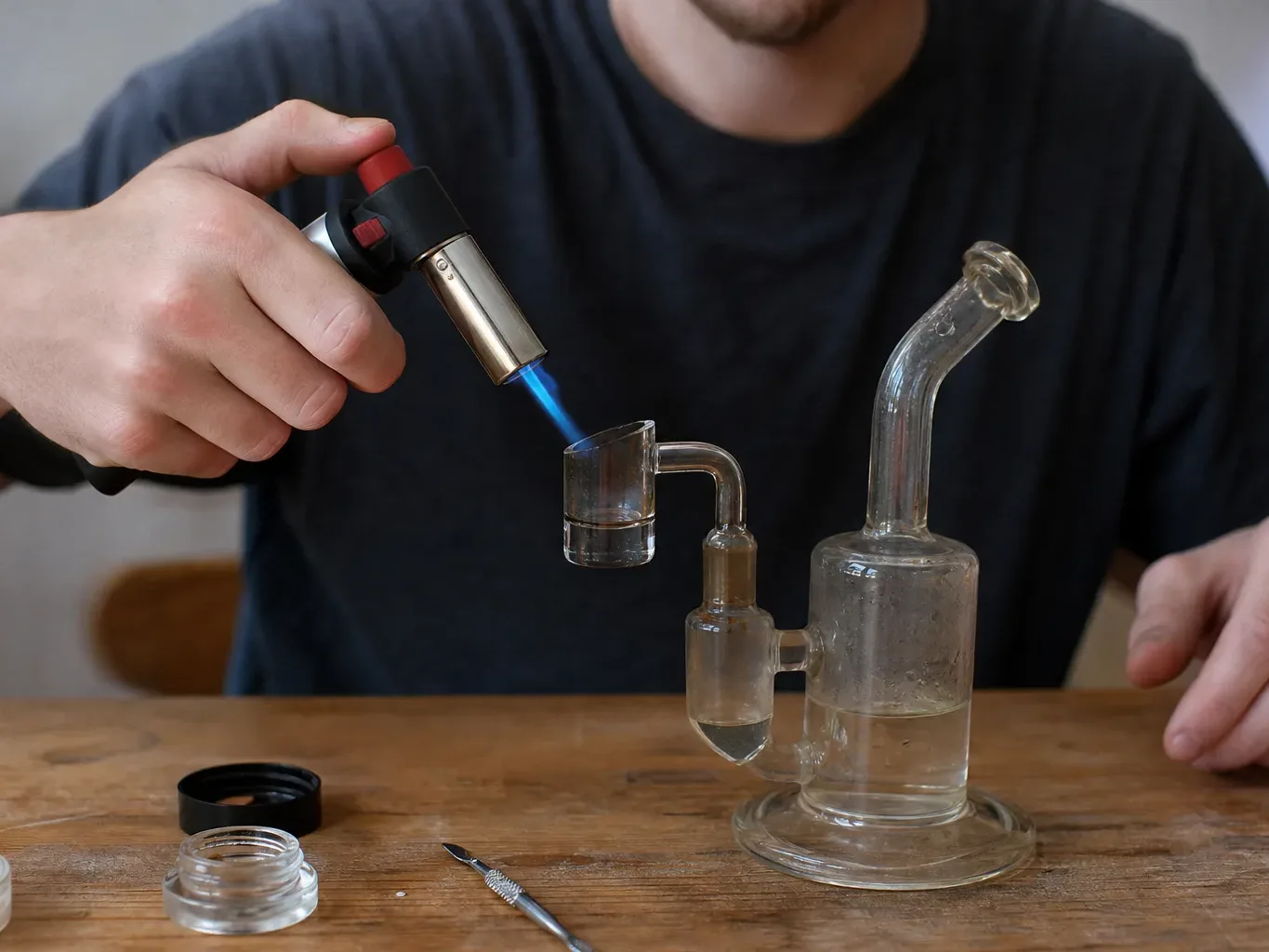
Dabbing is the most common consumption method for wax, shatter, and live resin. A dab rig is a water pipe fitted with a quartz, titanium, or ceramic nail, also called a banger. The nail is heated with a torch or an electronic coil, then a small amount of concentrate is applied to the hot surface and inhaled through the rig. Temperature matters: low-temperature dabs (around 450°F–550°F) preserve terpenes and produce a flavorful, smoother hit.
High-temperature dabs burn off those terpenes and create a harsher experience.
Electronic dab rigs, sometimes called e-rigs, remove the torch entirely and let users dial in precise temperatures. They cost more upfront but offer greater consistency.
Vaporizers
Concentrate-compatible vaporizers offer a portable alternative to full dab rigs. Devices designed for concentrates use a ceramic or quartz chamber that heats wax or similar textures to vapor without combustion. They're discreet, easy to carry, and suitable for consumers who don't want to manage a torch. Not all vaporizers handle every concentrate type equally well; thicker, waxier products can be harder to load into smaller chambers.
Topping Flower
Adding a small pinch of wax or crumble to a bowl of flower is a straightforward way to try concentrates without any extra hardware. The concentrate melts into the flower as it burns, boosting potency without requiring a separate device. This method is less efficient than dabbing but works as a low-barrier introduction.
Dosing Concentrates Safely
Concentrates hit faster and harder than flower or edibles. A single dab the size of a rice grain can produce effects comparable to multiple inhalations of flower, so starting small is genuinely important. New users should begin with a grain-of-sand amount, wait several minutes, and assess before adding more.
Unlike edibles, which take 30 minutes to 2 hours to onset, concentrate effects arrive within seconds to a couple of minutes. That fast feedback loop makes it easier to gauge your tolerance without overshooting. Keep hydrated, sit comfortably before your first session, and have a low-THC snack available if you need to counteract an overwhelming experience.
What to Ask Your Budtender
Budtenders are trained dispensary staff who can recommend specific concentrate products based on your goals and experience level. They are not licensed medical professionals, so treat their guidance as product knowledge rather than clinical advice. Ask them about terpene profiles if flavor matters to you, about THC percentage if potency is your priority, or about extraction method if you prefer solventless products.
Most dispensaries organize concentrate menus by type and by cannabinoid percentage. Scanning the lab-tested COA (certificate of analysis) posted on a product's label tells you exactly what you're buying. The best concentrate for you depends on how you plan to consume it, what effects you're seeking, and how much experience you already have with high-potency products.
Frequently Asked Questions
What Are the Main Cannabis Concentrates Types Sold at Dispensaries?
The most common types are wax, shatter, and live resin, all of which are solvent-based BHO extracts. Dispensaries also carry solventless options like rosin and bubble hash. Each product differs in texture, terpene content, and price, with live resin typically costing the most due to its fresh-frozen production process.
How Much Do Cannabis Concentrates Cost at a Dispensary?
Most dispensaries price cannabis concentrates at $25–$60 per gram. Basic wax and shatter tend to fall in the lower to middle portion of that range, while live resin and premium solventless products like rosin sit closer to $60 per gram.
Is Live Resin Stronger Than Wax or Shatter?
Not necessarily stronger in terms of raw THC percentage, but live resin offers a more complete cannabinoid and terpene profile because it is made from flash-frozen, uncured cannabis. That fuller spectrum can produce a more nuanced effect. Wax and shatter may test at similar or even higher THC levels, but they lose more terpenes during production.
What Is the Safest Way to Try Cannabis Concentrates for the First Time?
Start with the smallest amount you can manage, about the size of a grain of sand, and wait a few minutes before taking more. Concentrate effects arrive within seconds to a couple of minutes, which makes it easier to pace yourself than with edibles. Having an experienced person guide your first session with a dab rig also reduces the risk of overheating or taking too large a dose.
Do I Need a Medical Card to Buy Cannabis Concentrates at a Dispensary?
In states with recreational cannabis laws, adults 21 and older can purchase concentrates at an adult-use dispensary without a medical card. Medical dispensaries require a valid medical marijuana card for entry, and patients with cards often save 5%–37% on purchases due to tax exemptions that vary by state.