Medical Cannabis Dispensary Guide

What Sets a Medical Cannabis Dispensary Apart
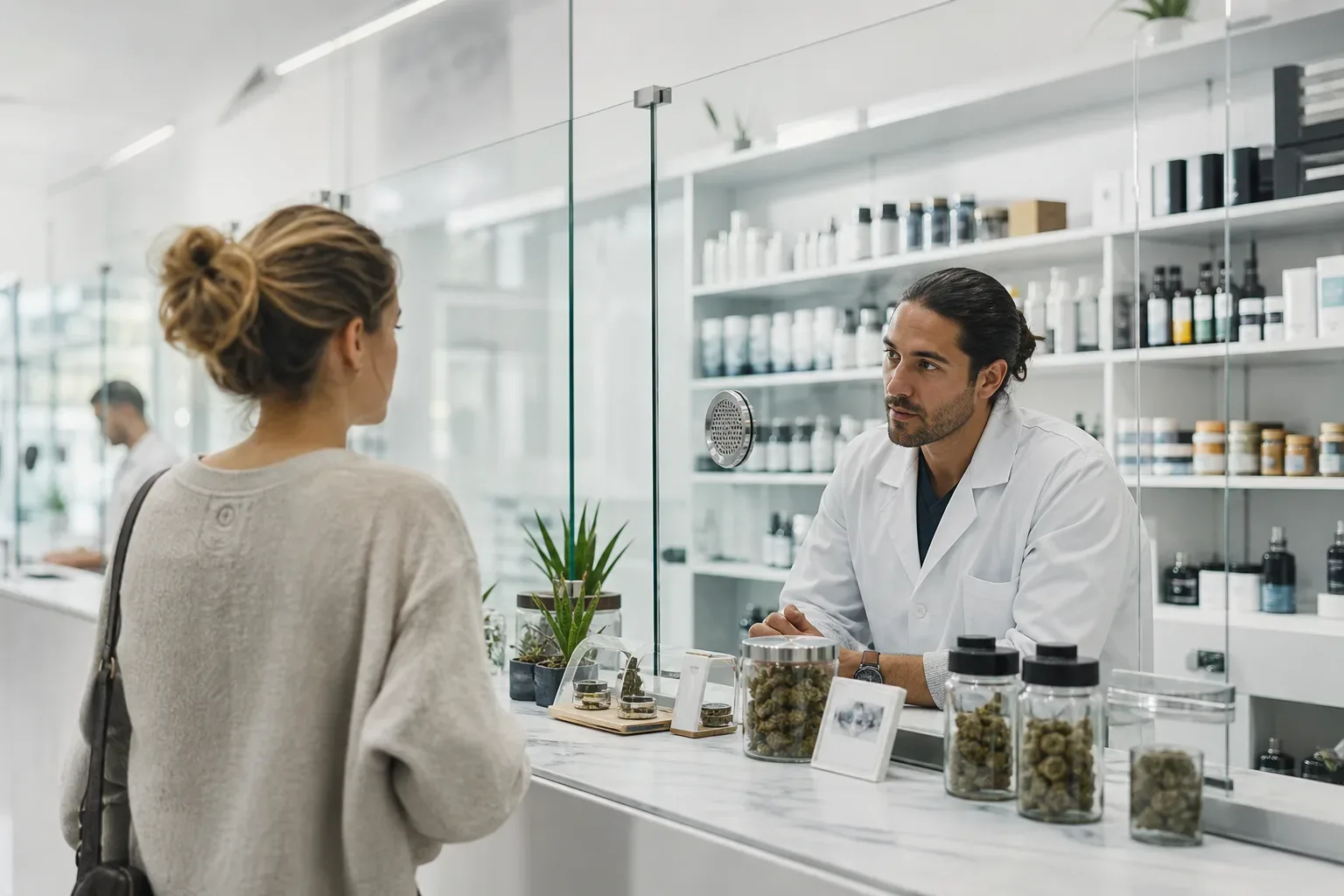
A medical cannabis dispensary serves only patients with a valid medical marijuana card, while a recreational dispensary sells cannabis to any adult 21 or older without a card. Medical facilities often carry a broader range of therapeutic products, including high-CBD tinctures, precise-dose capsules, and formulations not always found on recreational shelves. Staff are trained specifically to support patients managing conditions such as chronic pain, anxiety, or sleep disorders. The purchasing limits also differ: medical patients in most states can buy up to 2–4 ounces of flower per 30-day period, compared to the 1 ounce, or 28 grams, per transaction allowed for recreational buyers.
Some dispensaries operate under a dual license, serving both medical patients and recreational customers in the same facility. In those locations, medical patients typically access a separate check-in line and may receive priority service. Tax treatment is another major difference: medical cannabis patients save between 5% and 37% compared to recreational pricing, depending on the state. That gap adds up quickly on a regular purchase schedule.
How to Qualify and What to Bring
Qualifying for a medical cannabis dispensary starts with a physician evaluation. Most states require a licensed doctor to certify that you have a qualifying condition, which varies by state but commonly includes chronic pain, PTSD, cancer, multiple sclerosis, and epilepsy. After certification, you submit a state application with a fee ranging from $50 to $200, separate from whatever the physician charges. Processing time typically runs one to four weeks, though some states issue a temporary digital card within days.
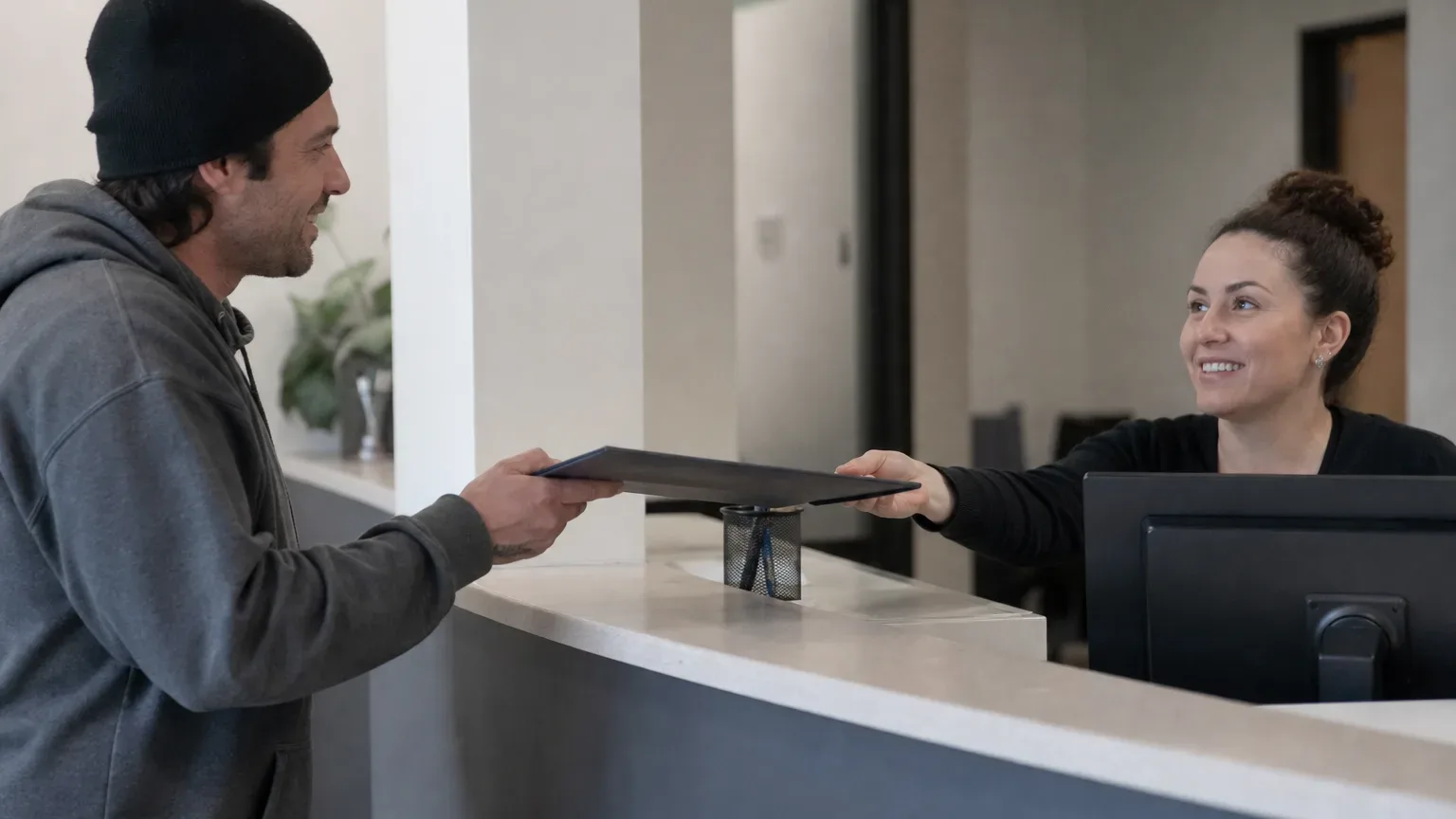
Bring your medical marijuana card and a valid government-issued photo ID every time you visit. Accepted forms include a driver's license, passport, or state ID. Dispensaries are required by law to verify both documents before serving any patient. Forgetting either one means you will not be able to complete a purchase that day.
What to Expect on Your First Visit
Arriving early on your first visit gives you time to complete any intake paperwork without feeling rushed. Most dispensaries require you to register as a patient in their system before you can access the sales floor. A budtender, the dispensary sales associate who assists customers in selecting products, will review your conditions, tolerance level, and goals before making any recommendations. They are not licensed medical professionals, so for clinical guidance you should still consult your prescribing physician.
Navigating the Product Menu
Medical dispensary menus are usually organized by product category: flower, concentrates, edibles, tinctures, and capsules. Flower prices run $8–$20 per gram, with premium strains at the higher end. Concentrates such as wax, shatter, and live resin range from $25–$60 per gram. Edibles are priced at $10–$30 per package, with a standard single dose of 5–10 mg THC per piece.
Tinctures typically cost $20–$60 per 30 mL bottle, while capsule packages in a standard 30-count run $20–$50.
Ask your budtender about cannabinoid ratios. THC is the primary psychoactive compound in cannabis; CBD is non-intoxicating and more associated with therapeutic use. Many medical patients prefer a balanced product or one that skews toward CBD, especially when starting out. High-THC concentrates are better suited to patients with higher tolerance or specific symptom-relief needs.
Payment Options
All dispensaries accept cash, and most have an on-site ATM if you arrive without it. Credit card use remains rare because federal banking restrictions limit card network participation. Some dispensaries offer cashless debit options, which function like a PIN-based debit transaction at a terminal. Confirm available payment methods before your visit to avoid surprises.
Making the Most of Your Medical Status
Consistency matters more than any single purchase. Tracking which products and doses produce the best results helps you build a record you can bring back to your doctor. Most dispensary apps and loyalty programs let you save past orders, which simplifies reordering and gives you data to discuss at follow-up appointments.
Edibles have an onset time of 30 minutes to 2 hours, which patients who are switching from smoking sometimes underestimate. Starting with a 5 mg dose and waiting the full two hours before taking more prevents overconsumption. Tinctures placed under the tongue typically absorb faster than swallowed capsules, making them useful for acute symptom flares.
Renewing your card before it expires keeps your access and tax benefits uninterrupted. Most states require annual renewal, with a repeat physician evaluation. Set a calendar reminder about 60 days before expiration so you have time to schedule the appointment and submit the renewal application without a gap in coverage.
What Happens If Your Card Is Not Accepted
Not all dispensaries hold a medical license, so confirming licensure before you travel is essential. Search your state's cannabis regulatory board website to verify that a specific dispensary is authorized to serve medical patients. Dual-licensed shops are common in adult-use states and will appear on both recreational and medical registries.
If you cannot find a medical dispensary in your area, a recreational dispensary can sell flower to adults 21 or older, up to 1 ounce, or 28 grams, per transaction. You will pay recreational tax rates and lose the per-period purchase allowance that medical status provides. That makes it worth traveling a bit further to access a licensed medical facility if your budget is sensitive to tax differences. Many states also offer home delivery from licensed medical dispensaries, which removes the transportation barrier entirely.
Frequently Asked Questions
What Are the Requirements to Visit a Medical Dispensary?
You need a valid medical marijuana card issued by your state and a government-issued photo ID such as a driver's license, passport, or state ID. Both documents are checked at the door. You must also be at least 18 years old, though some states allow minors with caregiver authorization. The card itself requires a physician's certification of a qualifying condition and a state application fee of $50–$200.
How Much Can I Buy at a Medical Cannabis Dispensary?
Medical patients can typically purchase up to 2–4 ounces of flower per 30-day period, depending on the state. This is more generous than the recreational limit of 1 ounce, or 28 grams, per transaction. Limits on edibles, concentrates, and other products also vary by state, so check your local regulations for exact figures.
Do I Save Money Using a Medical Marijuana Card at a Dispensary?
Yes. Medical cannabis patients save between 5% and 37% compared to recreational pricing because many states exempt medical purchases from excise and sales taxes. On products like tinctures priced at $20–$60 per bottle or flower at $8–$20 per gram, those savings add up quickly over regular purchases.
What Products Are Available at a Medical Cannabis Dispensary?
Most medical dispensaries carry flower ($8–$20 per gram), concentrates ($25–$60 per gram), edibles ($10–$30 per package, dosed at 5–10 mg THC per piece), tinctures ($20–$60 per 30 mL bottle), and capsules ($20–$50 per 30-count package). Medical menus often include higher-CBD or condition-specific formulas not always found at recreational shops.
Can a Budtender at a Medical Dispensary Give Me Medical Advice?
Budtenders are trained to help you select products based on your goals and experience level, but they are not licensed medical professionals. They can explain cannabinoid ratios, onset times, and dosing approaches, but any clinical guidance should come from the physician who issued your medical marijuana certification.