Cannabis Tinctures and Capsules - A Medical Patient's Dispensary Guide
Medical dispensaries stock dozens of cannabis tincture and capsule products, and the differences between them matter more than most patients expect. Choosing the wrong format can mean waiting two hours for relief that could have arrived in fifteen minutes, or paying for precision dosing you never actually use. Understanding how each format works, what to look for on the label, and how to talk to a budtender will save you both money and frustration.
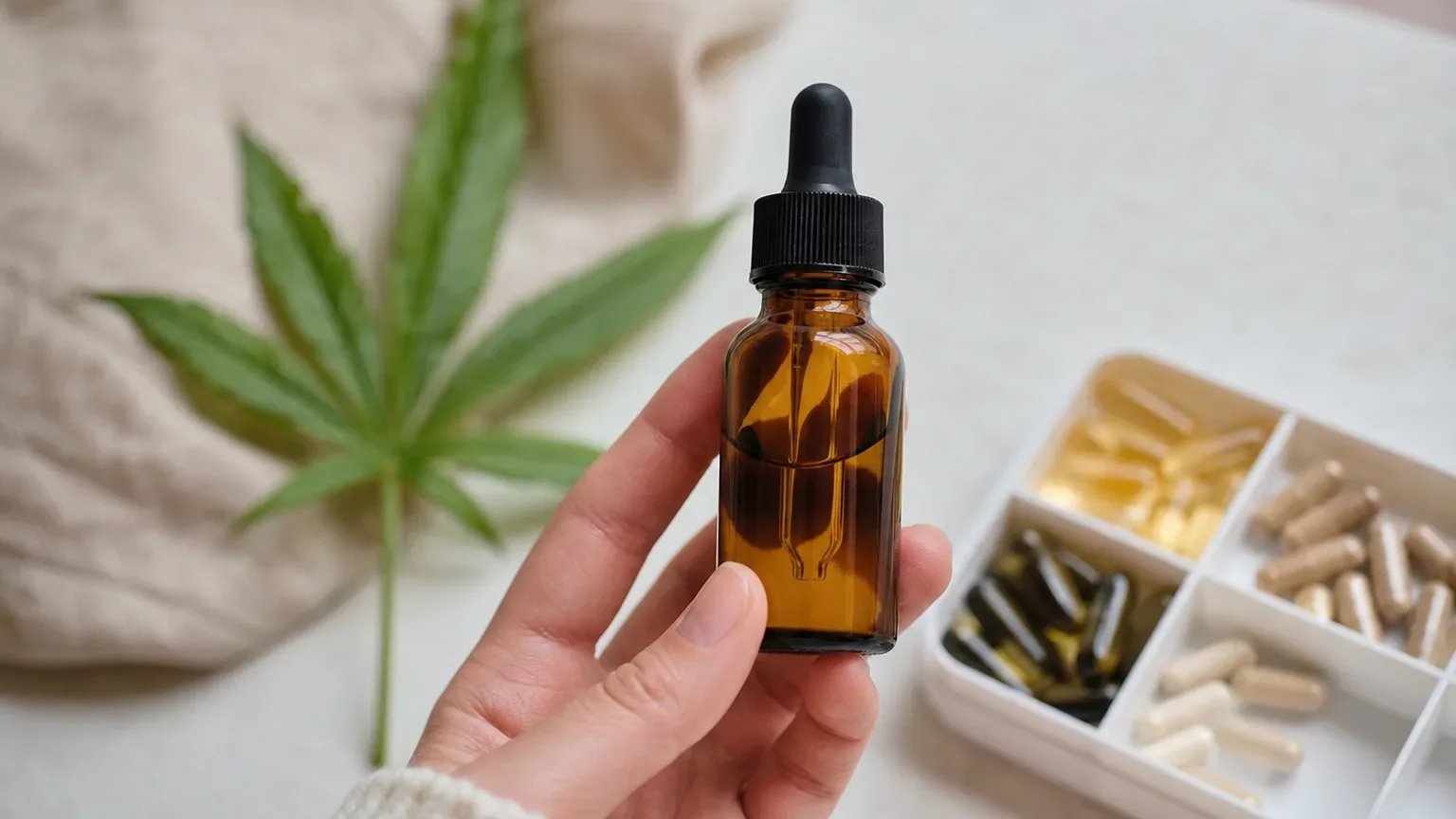

How Tinctures Work at the Dispensary Level
Tinctures are liquid cannabis extracts, typically sold in 30 mL bottles with a dropper. Prices generally run $20–$60 per bottle, with CBD-dominant and medical-grade formulas landing toward the higher end. The dropper lets you measure doses in fractions of a milliliter, making tinctures one of the most adjustable formats available.
Most tinctures use a carrier oil, such as MCT oil or hemp seed oil, to keep the cannabinoids stable and improve absorption. Alcohol-based tinctures are less common in dispensaries but exist. Always check the label for total milligrams of THC or CBD per bottle and per milliliter so you can calculate your dose accurately.
Sublingual vs. Swallowed Tinctures
Placing the dose under your tongue for 60–90 seconds allows cannabinoids to absorb directly through the mucous membrane, which typically produces effects within 15–45 minutes. Swallowing the dose instead shifts it through the digestive system, slowing the process considerably and producing an experience closer to that of an oral edible. Most medical patients using tinctures for symptom management stick to sublingual delivery for that speed advantage.
Ask your budtender whether a specific product is formulated for sublingual use or designed to be mixed into food. Some tinctures are water-soluble and behave differently from oil-based versions, so that distinction changes how you should take them.
How Capsules Work at the Dispensary Level
Cannabis capsules contain pre-measured doses of oil or powdered extract inside a gelatin or plant-based shell. Packages typically run $20–$50 for a 30-count supply, with price varying based on potency, cannabinoid profile, and whether the formula includes added terpenes. Because the dose is fixed at the manufacturing stage, you get consistent milligram amounts with no measuring required.
Capsules are processed like any other oral supplement, meaning onset takes longer than sublingual tinctures. Patients with digestive conditions, those who take several medications on a schedule, or anyone who prefers not to taste cannabis generally find capsules easier to integrate into a daily routine.
What the Label Tells You
Every reputable capsule product lists THC and CBD content per capsule and per package. A package showing "300 mg THC / 30 capsules" means each capsule delivers 10 mg THC. Some products include equal ratios of THC to CBD, which many medical patients prefer for daytime use because CBD can temper psychoactive intensity without eliminating therapeutic effect.
Check for third-party lab results, often called a certificate of analysis or COA. Dispensaries are required by state law to carry tested products, but scanning the COA yourself confirms that the labeled potency matches what is actually in the capsule.
Comparing Tinctures and Capsules for Medical Use
Neither format is universally better. The right choice depends on your condition, schedule, and how precisely you need to titrate your dose.
Tinctures give you flexibility. You can increase or decrease a dose by fractions of a milliliter, which is useful during the early stages of finding your therapeutic window. Capsules offer consistency. Once you know your dose, a 10 mg capsule taken twice a day is simple and repeatable without any measuring equipment.
Onset and Duration Differences
Sublingual tinctures typically begin producing effects within 15–45 minutes, and those effects may last 2–4 hours depending on the formula and your metabolism. Capsules, processed through digestion, take longer to activate, often 45 minutes to 90 minutes or more, but the effects tend to last longer, sometimes 4–6 hours. Patients managing chronic pain, sleep conditions, or anxiety often prefer that extended duration from capsules.
If you need fast relief during a flare, a tincture used sublingually is usually the better tool. If you need steady background symptom control throughout the day, a capsule taken with a meal may serve you better.
Cost per Day
A $40 tincture bottle containing 1,000 mg of THC across 30 mL costs roughly $0.04 per milligram. A $35 capsule package with 30 capsules at 10 mg each contains 300 mg total, which works out to about $0.12 per milligram. Tinctures often deliver more milligrams per dollar, but capsules save time and eliminate dosing errors. Medical patients who qualify for tax exemptions can see 5%–37% savings over recreational pricing, which shifts the per-day math meaningfully in favor of stocking up.

Navigating the Dispensary as a Medical Patient
Medical dispensaries serve patients holding a valid medical marijuana card. Minimum age is 18 with a qualifying card, though some states allow minor patients with caregiver authorization. You will need a valid government-issued photo ID at every visit, along with your card.
Medical purchase limits differ from recreational ones. Recreational shoppers can typically buy up to 1 ounce of flower per transaction, while medical patients in many states can access 2–4 ounces of flower equivalent per 30-day period, with proportional allowances for concentrates and oral products. Tinctures and capsules usually count toward a separate oral product limit, so ask the dispensary staff how your state structures those limits.
How to Talk to a Budtender
Budtenders are trained to guide product selection based on your goals and experience level. They are not licensed medical professionals, so for questions about drug interactions or treatment protocols, your physician is the right contact. For questions about onset time, potency differences between two specific products, or which capsule formula has a better CBD-to-THC ratio, a budtender is exactly who to ask.
Come prepared with a few specifics: the condition you are managing, whether you want psychoactive effects or prefer to minimize them, and what time of day you plan to dose. That information lets a budtender narrow the shelf to two or three realistic options rather than walking you through everything in the tincture case.
Storage and Shelf Life
Both formats degrade when exposed to heat, light, and air. Tinctures should be stored upright in a cool, dark cabinet, not on a sunny kitchen counter. Most have a shelf life of 12–24 months unopened. Once opened, aim to use a 30 mL bottle within 3–6 months for best potency.
Capsules are more stable during storage because the shell protects the oil inside from oxidation. Keep them in their original packaging, away from humidity. Bathrooms are a poor storage location despite being convenient. A bedroom drawer or a dedicated supplement shelf works well for both formats.
Frequently Asked Questions
Cannabis Capsules vs Tinctures - Which Is Better for Medical Patients?
Neither is universally better. Tinctures allow flexible dose adjustments and faster onset when used sublingually, making them useful while you are still finding your therapeutic dose. Capsules deliver a fixed, pre-measured amount on a consistent schedule, which suits patients who have already established their dose and want simplicity. Your condition, daily routine, and how quickly you need relief are the main factors that determine which format fits your needs.
How Long Do Cannabis Tinctures Take to Work?
Sublingual tinctures, meaning drops held under the tongue for 60–90 seconds, typically produce effects within 15–45 minutes. Swallowing the tincture instead routes it through digestion, which slows onset significantly. If speed matters, sublingual delivery is the more reliable approach.
What Should I Look for on a Cannabis Capsule Label?
Check the THC and CBD content per capsule and per package so you can confirm the dose you are actually taking. Look for a certificate of analysis, or COA, which shows third-party lab results verifying that the labeled potency is accurate. A 1:1 THC-to-CBD ratio is popular among medical patients who want therapeutic effect without strong psychoactive intensity.
Do Medical Patients Pay Less for Tinctures and Capsules at Dispensaries?
In many states, medical cardholders are exempt from some or all cannabis taxes, which translates to 5%–37% savings compared to recreational pricing. On products like tinctures priced at $20–$60 per bottle or capsule packages at $20–$50, those savings add up across a month of regular use. Check your state's specific tax exemption rules, since the structure varies considerably.
Can I Use a Tincture and Capsule Together on the Same Day?
Yes, many medical patients use both formats strategically. A tincture taken sublingually can address acute or sudden symptoms quickly, while a capsule taken in the morning or evening provides longer-lasting background relief. If you plan to combine them, start with lower doses of each and track how your body responds before increasing either one.